 author
For municipal buyers, a solar lighting project is not just a purchase order. It is a long-term public infrastructure decision. A pole must carry the fixture safely, hold the solar panel at the right angle, support battery and control parts, and keep the road bright through heat, rain, dust, and long nights.
That is why choosing a solar street light pole manufacturer requires a full comparison. Buyers should look at pole material, structural design, lamp performance, battery system, smart control, product categories, service ability, and real project experience. Price matters, of course. But in road lighting, the cheaper option can become expensive if it brings unstable brightness, difficult maintenance, or early failure.
Municipal lighting is changing quickly. Cities are paying more attention to clean energy, remote control, anti-theft design, and lower maintenance costs. In 2026, ITU approved a recommendation for IoT-based energy management in municipal lighting, showing how real-time monitoring and adaptive control are becoming part of city infrastructure.
For solar street lights, the pole is not a passive support. It affects solar charging, wind resistance, installation safety, maintenance access, and the final appearance of the road. A weak pole can damage the whole system, even when the lamp and battery are good.
A municipal solar street light pole should be designed for the local environment. Wind speed, pole height, bracket length, solar panel size, and lamp weight all influence structural safety. In coastal roads, open highways, bridges, and industrial zones, wind load becomes especially important.
Buyers should ask for pole drawings, wall thickness details, base plate design, anchor bolt size, and surface treatment information. A strong pole also needs stable welding and proper anti-corrosion protection. Galvanized steel poles are common for road projects because they provide strength and cost control. Aluminum structures may be used in selected designs where weight and appearance matter more.
Outdoor poles face rain, sun, humidity, dust, and sometimes salt air. Without proper surface protection, rust can spread from welding points, bolt holes, or scratched areas.
For municipal projects, surface treatment should match the installation site. Hot-dip galvanizing, powder coating, and anti-corrosion finishing can extend service life. In coastal cities or wet industrial areas, buyers should ask whether the supplier can provide salt spray testing or other corrosion-related inspection records.
A good pole should also support easy installation. Cable entries, battery compartments, brackets, and access points should be arranged in a way that reduces on-site confusion.
A solar street light pole system includes more than the pole itself. The housing, solar panel, battery, controller, LED source, lens, screws, and sealing parts all influence project stability. Municipal buyers should compare the complete system instead of judging only the visible structure.
Good materials help reduce service calls. They also keep lighting output stable for longer periods. This is important when fixtures are installed across many roads, parks, communities, and public areas.
Aluminum alloy is widely used for outdoor lamp bodies because it is light, strong, and good at moving heat away from the LED source. Better heat dissipation can reduce light decay and protect internal parts.
For street lighting, the housing should have enough thermal area and a practical shape. It should not trap heat around the driver or LED board. For dusty or rainy areas, the housing must also be easy to clean and tightly sealed.
High-efficiency solar panels help collect more power from limited space. This matters when pole height, road width, or local rules limit the panel size. In many modern solar street lights, monocrystalline panels are preferred for higher conversion efficiency.
Battery quality is equally important. LiFePO4 batteries are often used because they offer stable cycling, good safety, and long service life. Still, battery performance depends on the whole system. The controller, charging method, temperature protection, and discharge plan must work together.
A qualified solar street lighting manufacturer should provide:
Road lighting should deliver uniform light, not only high brightness. Lens design, beam angle, glare control, color temperature, and installation height all affect visibility.
IP65 protection is a basic requirement for many outdoor lighting projects. It helps protect the fixture from rain and dust. For heavy weather areas, buyers should also check cable sealing, connector quality, drainage design, and aging test results.
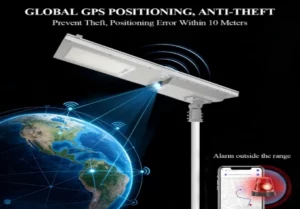
Many municipal buyers now prefer lighting systems that can report status, support remote control, and reduce unnecessary site visits. This is where smart solar lighting becomes more valuable than traditional standalone lamps.
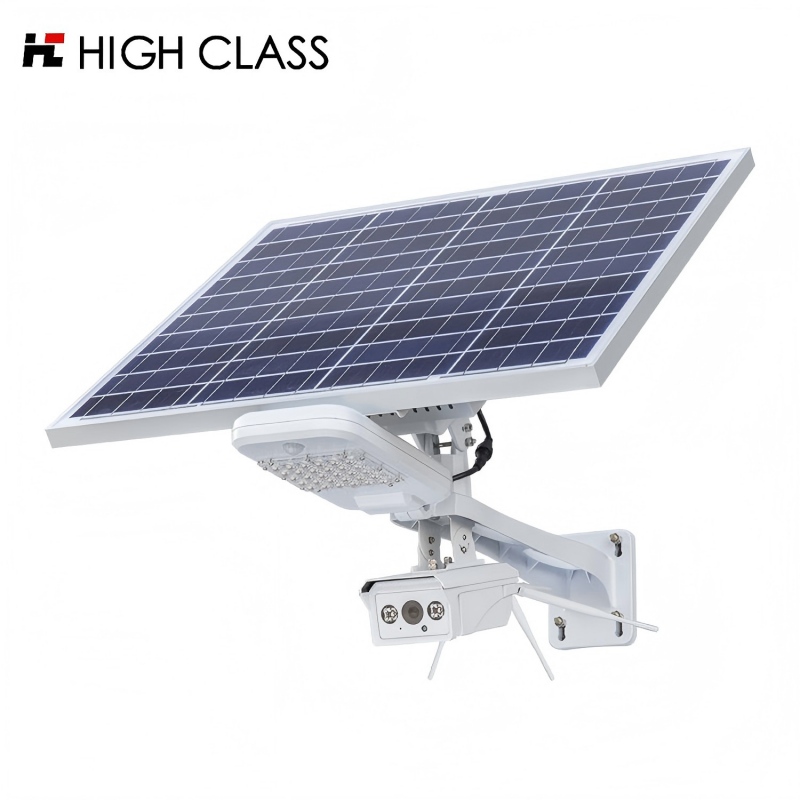
At WERISE, we design our products with project operation in mind. Our AI IoT functions can support GPS positioning, remote batch control, brightness adjustment, color temperature adjustment, battery monitoring, and fault alerts. These functions help project owners manage many lights from one platform instead of checking every pole manually.
A smart solar street light can help managers know where each unit is installed and whether it is working normally. GPS positioning is useful for large municipal networks, rural roads, and wide public areas where fixtures are spread far apart.
Remote monitoring also helps after-sales teams respond faster. If a battery issue, control problem, or lighting fault appears, the system can send an alert. This reduces guesswork and helps maintenance teams plan the right repair route.
Solar panels lose charging performance when dust, sand, leaves, or snow cover the surface. In some areas, panel cleaning becomes a real labor cost.
WERISE offers solar street light products with automatic cleaning technology. This feature can help remove dust or light snow from the solar panel and reduce manual maintenance. For municipal roads, industrial sites, ports, and remote public areas, this can be a practical advantage.
Different municipal locations require different lighting products. A main road, small community street, parking lot, public square, bridge, and work zone do not need the same fixture. A reliable manufacturer should provide several product types and help buyers choose the correct match.
WERISE provides solar street lights, solar flood lights, LED street lights, and LED flood lights for different outdoor lighting projects.
Our AI IoT lighting products are suitable for projects that need remote control and intelligent management. These lights can support GPS location, batch dimming, battery monitoring, and fault alerts.
They are useful for city roads, smart communities, parks, public areas, and roads where maintenance access is difficult. When a project needs both solar power and data management, AI IoT street lighting can reduce long-term operation pressure.
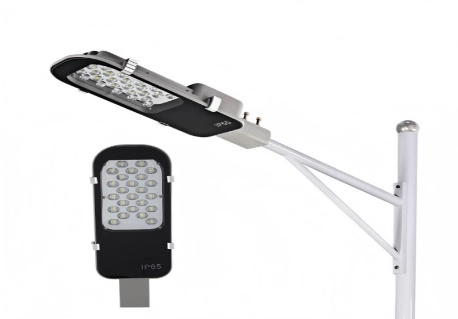
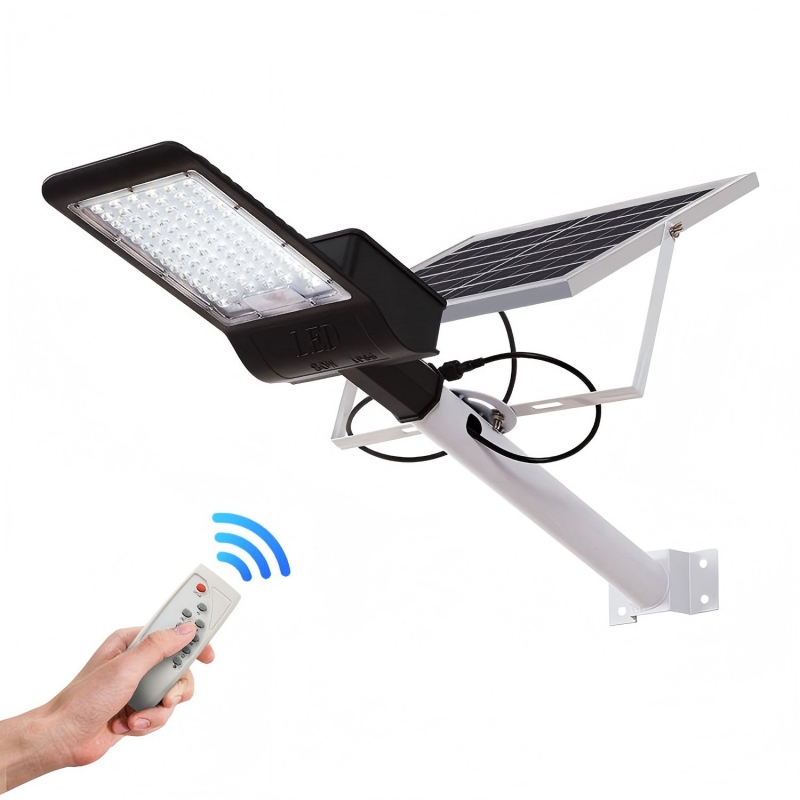
Our solar street lighting products include high-performance solar street lights, all-in-one models, security lights, radar-sensor lights, and high-conversion solar lighting options.
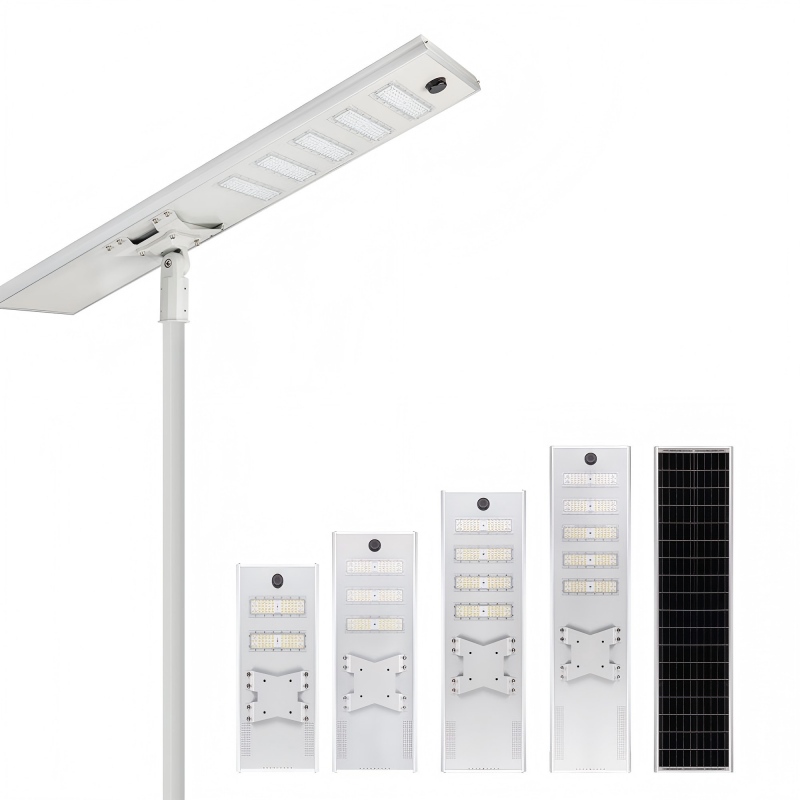
All-in-one solar street lights combine the LED fixture, battery, controller, and solar panel into a compact structure. This can make installation faster and reduce exposed wiring. For municipal buyers, this type is useful for rural roads, residential streets, parking areas, and public spaces where trenching is costly.
Road lighting often needs support from area lighting. Entrances, intersections, temporary work areas, yards, and parking zones may need wider beam coverage.
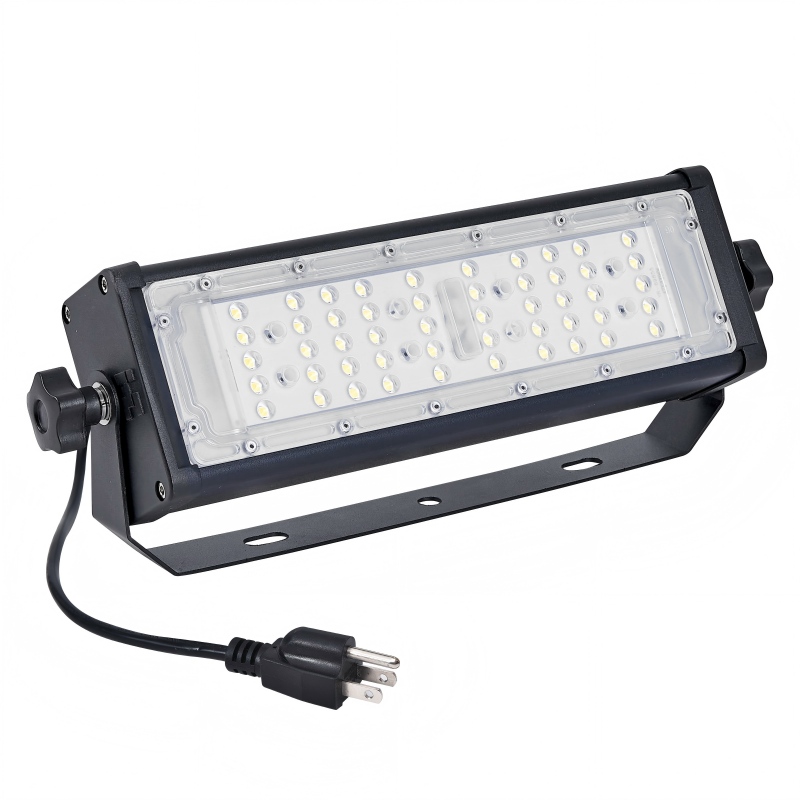
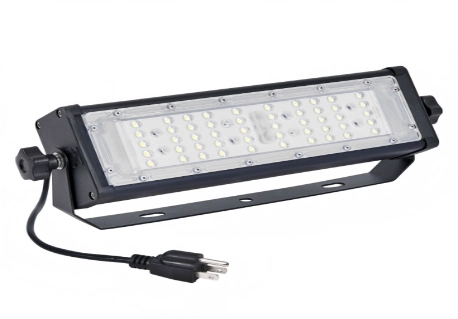
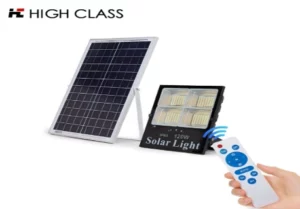
Our solar flood lighting range can support these spaces without depending on grid wiring. For buyers comparing a LED flood light manufacturer or solar flood light supplier, the key factors include brightness, beam angle, battery capacity, protection level, and installation flexibility.
Some municipal roads already have stable power infrastructure. In these cases, solar may not be the only choice.
Our LED street lighting products can support urban roads, industrial roads, campuses, and commercial streets. Our LED flood lighting products can serve plazas, logistics yards, sports areas, warehouses, and building surroundings.
International buyers may search with different terms, such as “led fluter 200w,” “luminaire exterieur osram,” “projet luminaires commercial,” “proyector led 120w,” or “osram led fluter.” These terms point to real demand for outdoor flood lighting, commercial lighting projects, and different wattage choices. The better comparison, however, should focus on light output, waterproof rating, beam control, material quality, and project service.
A solar street light pole manufacturer should understand where the product will be used. Roads are only one part of the market. Many public and commercial projects need durable lighting with stable performance and easy maintenance.
The best manufacturer can help buyers build a product mix for several sites under one project plan.
Common application industries include:
A serious buyer should compare both product data and factory capability. The supplier should be able to explain why a pole height, battery size, panel wattage, and lighting schedule fit the site.
At WERISE, we support lighting design, circuitry design, sample development, OEM and ODM service, quality inspection, and after-sales communication. Our production process includes die-casting, injection molding, SMT, LED packaging, assembly, and aging tests.
Before placing an order, buyers should ask:
Choosing a solar street light pole manufacturer is a technical and financial decision. Buyers should compare pole strength, anti-corrosion treatment, lamp housing, solar panel efficiency, battery quality, lighting control, waterproof protection, and factory service. A good supplier should also help match the product to the real road environment.
WERISE supports municipal, commercial, industrial, and rural lighting projects with solar street lights, AI IoT lighting, solar flood lights, LED street lights, and LED flood lights. For long-term value, buyers should look beyond unit price and focus on safety, durability, maintenance, and system control. A well-planned solar lighting system can reduce wiring work, support clean energy goals, and provide reliable public lighting for many years.
A: Ask about pole strength, materials, battery life, waterproof rating, testing, warranty, and smart control.
A: Yes. It supports remote monitoring, dimming, GPS positioning, and easier maintenance planning.
A: WERISE provides a standard 3-year warranty for selected lighting products.