 author
City lighting projects are not just about picking a bulb with the right wattage. Public streets need to stay safe and dependable. They must also be simple to fix over many years. Purchasers have to think about power bills and battery life. They must also look at setup sites, citizen safety, and long-lasting use.
Because of this, a top solar street light manufacturer has to deliver more than basic items. It needs to supply solid materials and helpful tech support. Smart control setups and varied product types are also vital. The maker must also offer workable fixes for various public building tasks.
Town budgets face increasing strain today. Cities must boost street safety. At the same time, they have to keep power bills and repair costs down. Meanwhile, many public works are shifting to connected frameworks. These include remote tracking and smart dimming. Greener energy setups are also becoming standard.
Recent city lighting jobs prove a key point. LED lights and linked controls really cut down on power use. They also make it easier to spot faults and plan repairs. Back in June 2026, the International Telecommunication Union backed a new guideline. This rule focuses on IoT-based power saving for town lighting. It covers live energy tracking as well as smart adjustments.
Solar lighting works great in spots where expanding the power grid costs too much. It is also handy if the main grid fails often. This setup cuts down on digging dirt and laying cables. It also lowers reliance on local power plants. Still, the whole system needs proper planning. Designers must match it to local sunshine and weather. Street traffic and needed lighting hours are crucial too.
When it comes to public works, material quality directly impacts how long things last. A street light works outside every single night for years. It faces rain, dirt, and high heat. Heavy winds and even salty coastal air can hit it too.
A solid product needs to do more than just look sleek. The outer shell and battery box must be tough. The solar panel, LED source, and glass lens are key parts too. Along with the inner wires, all these pieces must run together as one steady unit.
Aluminum alloy is very popular for outdoor lights. It brings together toughness, a light weight, and great heat shedding. A smartly shaped shell pulls heat away from the LED source and the driver box. This lowers heat stress during long hours of use.
For city streets, the outer shell must be easy to put up and fix. Smooth sides are much simpler to wash. Also, a good protective coat helps a lot. It boosts the defense against dampness and rust.
The main frame needs to be sturdy enough for pole mounting. It must also handle outdoor shaking. In beach towns or damp places, buyers need to look closely at a few things. These include the surface finish, screws, cable holes, and tight seals.
A top-tier monocrystalline solar panel gathers more power in a tight space. This matters a lot in certain cases. Sometimes the pole shape or local rules limit the panel size. Narrow street widths can cause the same issue.
Builders often use LiFePO4 batteries for solar lights. These batteries offer steady charge cycles and great safety traits. Yet, battery quality alone does not dictate how well the system works. Buyers must look at the whole picture. Charge controls, weather temps, and battery size all matter. Daily lighting schedules play a huge role too.
A dependable solar street lighting manufacturer should provide:
The LED source determines only part of the final lighting result. Lens design, beam angle, glare control, and light distribution are equally important.
A municipal road needs uniform illumination rather than excessive brightness in one small area. Poor light distribution can create dark sections, uncomfortable glare, or unnecessary light spill into nearby homes.
Outdoor protection is another key point. IP65 protection can help prevent rain and dust from entering the fixture. In areas exposed to heavy weather, buyers should also review connector quality, cable protection, corrosion resistance, and testing records.
A reliable supplier should support the whole project cycle, from early product selection to installation and after-sales service. This is particularly important for municipalities because one project may include hundreds or thousands of lights installed across different roads.
When comparing a solar street light manufacturer, buyers should review the following advantages:
Different roads require different lighting systems. A residential street may need comfortable, low-glare illumination, while a main road or industrial route may require higher output and wider spacing.
A complete product range helps buyers create a coordinated plan for roads, intersections, public spaces, gates, parking areas, and open yards.
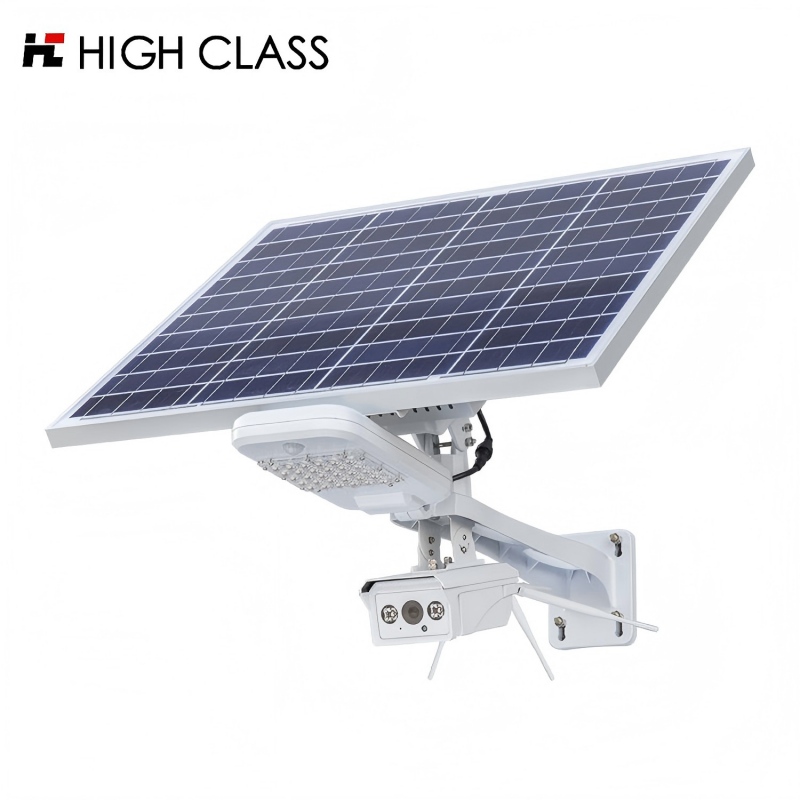
Our AI IoT smart solar street lights combine solar power, LED lighting, and connected management. GPS positioning can help locate equipment, while remote batch control allows managers to adjust lighting settings across multiple areas.
Battery-life monitoring can provide early information about possible replacement needs. Automatic cleaning can reduce the effect of dust and snow on the solar panel. These functions are useful for rural roads, residential communities, municipal streets, parks, and remote public facilities.
For a large road network, smart control is not simply a technology feature. It can help maintenance teams understand which fixture needs attention before sending workers to the site.
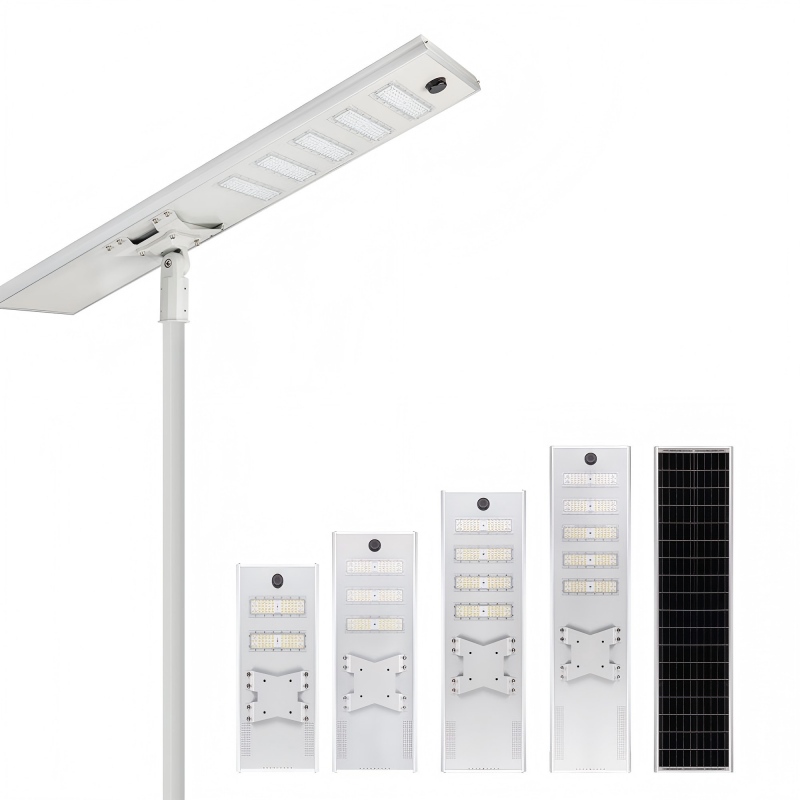
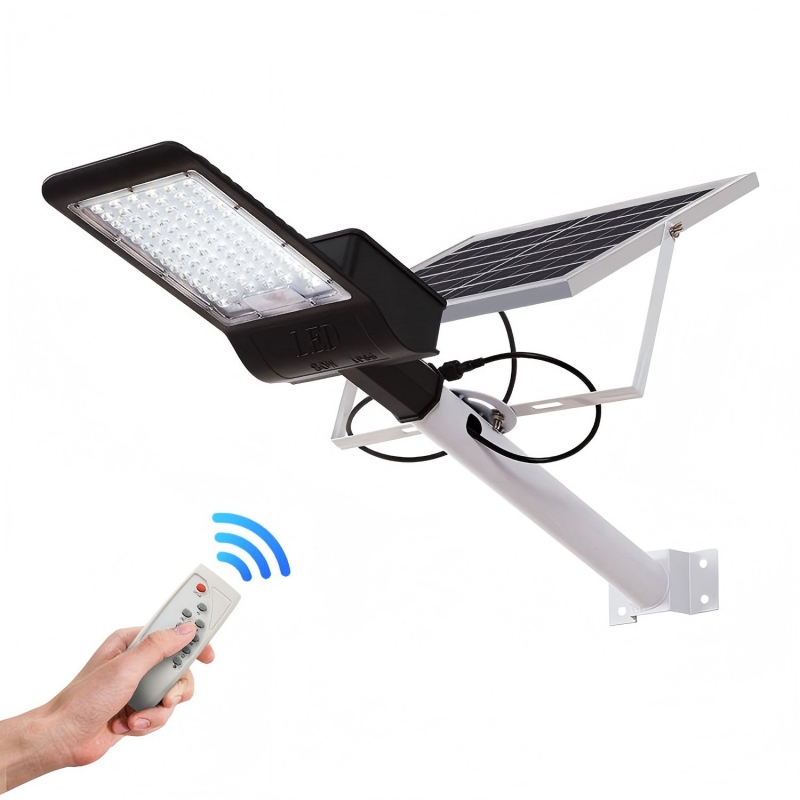
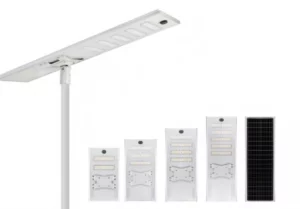
Our solar street lighting products include high-performance, all-in-one, security, yard, radar-sensor, and high-conversion models.
All-in-one solar street lights place the LED source, solar panel, battery, and controller into one compact structure. This design can simplify installation and reduce the number of external cables.
For municipal buyers, the correct model depends on road width, pole height, required lighting hours, local solar conditions, and traffic levels. A professional supplier should help compare these factors before confirming the specification.
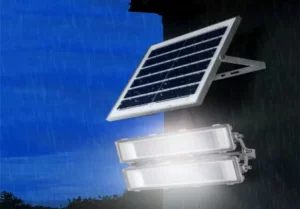
Our solar flood lighting range is suitable for areas that need wider illumination rather than a narrow road beam.
Typical applications include:
Solar flood lights can work alongside street lights. For example, a municipality may install solar street lights along a road and use solar flood lights at a bus stop, intersection, or public entrance.
Not every municipal project is off-grid. Urban roads may already have a stable power network, making grid-connected LED products a practical choice.
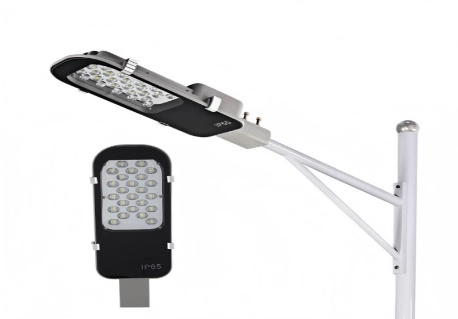
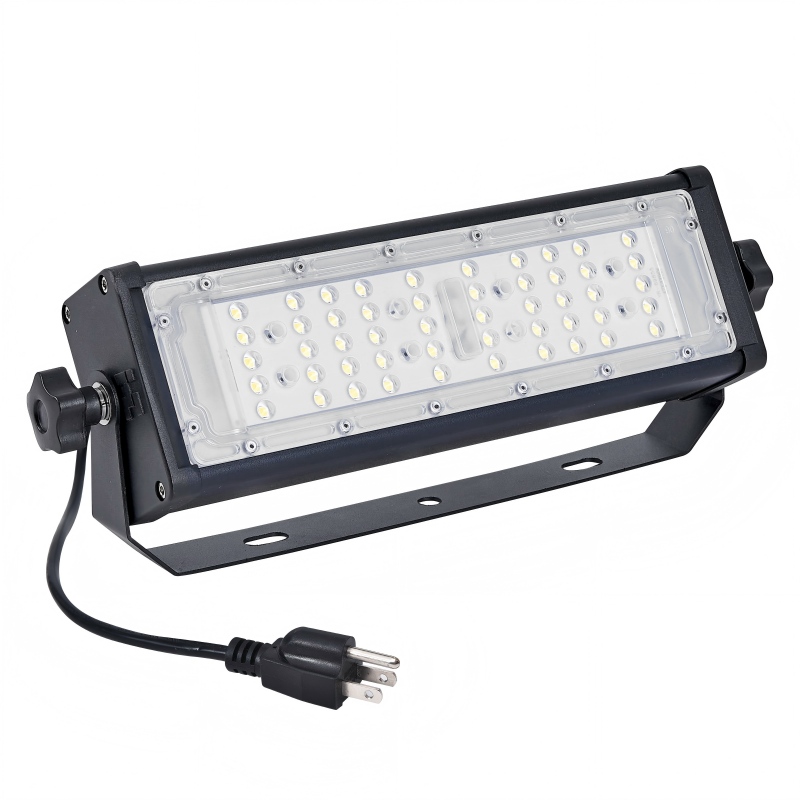
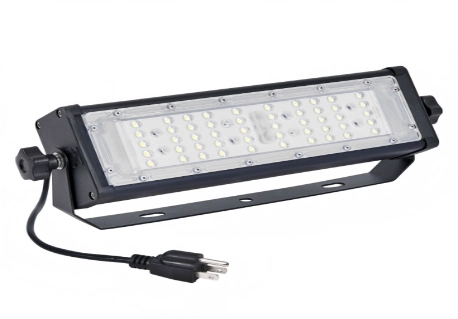
Our LED street lighting products can support urban roads, industrial routes, commercial streets, and public facilities. Our LED flood lighting products can provide wider illumination for plazas, depots, building exteriors, and loading areas.
A supplier with both solar and grid-connected products can support mixed projects with one technical and service process. During international procurement research, buyers may also use mixed-language search phrases such as “led fluter 200w,” or “projet luminaires commercial.” The important point is to compare actual light output, protection level, control functions, and project suitability rather than relying on search terms alone.
Municipal lighting projects often extend beyond ordinary public roads. The same supplier may support several departments and application areas within one city or region.
WERISE works with partners who need reliable outdoor lighting for public infrastructure, commercial areas, industrial facilities, and community development projects.
Common application industries include:
At WERISE, we provide more than lighting fixtures. We support product selection, sample development, lighting design, circuitry design, OEM and ODM services, production, quality inspection, delivery, and after-sales communication.
Our products include smart solar street lights, solar flood lights, LED street lights, and LED flood lights. This allows us to support different sections of one municipal project without forcing every location to use the same product.
We also focus on practical details. Our engineering team can help review pole spacing, battery sizing, panel capacity, light distribution, control methods, brightness levels, and color temperature.
For harsh outdoor environments, our solutions include IP65-rated protection, LiFePO4 battery systems, remote monitoring, and automatic cleaning functions. Our products are supported by international certifications, more than 200 patents and certifications, and a standard three-year warranty for selected lighting products.
The best solar street light manufacturer for municipal buyers should offer more than competitive pricing. It should provide durable materials, efficient energy systems, reliable LED performance, intelligent control, clear testing, and long-term technical support.
WERISE brings together solar street lights, AI IoT lighting, solar flood lights, LED street lights, and LED flood lights for roads, communities, industrial areas, and public infrastructure.
Before purchasing, municipal teams should review local sunlight, road width, traffic levels, weather conditions, installation height, required lighting hours, and maintenance access. A complete evaluation helps buyers select a system that performs reliably, reduces future service pressure, and creates better value throughout the project life cycle.
A: Ask about materials, battery life, lighting design, testing, warranty, delivery, and remote management.
A: Yes, when properly sized and protected for local rain, dust, temperature, and sunlight conditions.
A: WERISE provides a standard 3-year warranty for selected lighting products.