 author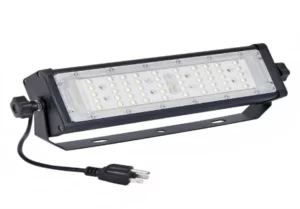
Off-grid lighting is no longer a simple lamp-and-panel purchase. A reliable system must turn local sunlight into dependable night-time visibility, while handling rain, heat, dust, traffic and changing user needs. For a solar street light manufacturer, the design process begins with the site rather than a catalogue. Engineers study solar radiation, road use, pole height, battery reserve, optical distribution and maintenance access before selecting each component.
Every project has a different lighting duty. A rural access road may need gentle, uniform light for pedestrians. A port, logistics yard or airport approach may demand a higher mounting height and a wider beam. Engineers therefore map the road width, pole spacing, traffic pattern and required lighting hours. They also check shading from trees, buildings and nearby structures because a panel that looks large on paper may receive little useful sunlight.
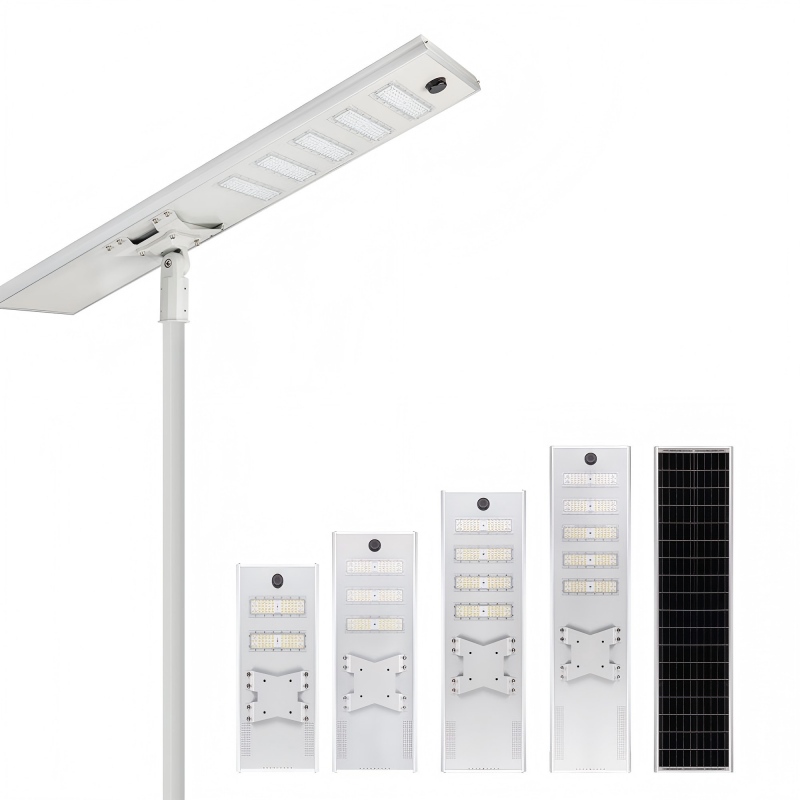
A dependable off grid solar street light is sized around the weakest practical weather period, not only a clear summer day. Panel output, battery capacity, lamp power and dimming hours are balanced as one system. For example, a high-performance model can use a monocrystalline panel with conversion above 22%, a LiFePO4 battery rated for more than 2,000 cycles, and a dual MPPT controller. These choices support five to seven continuous rainy days when the project conditions are suitable.
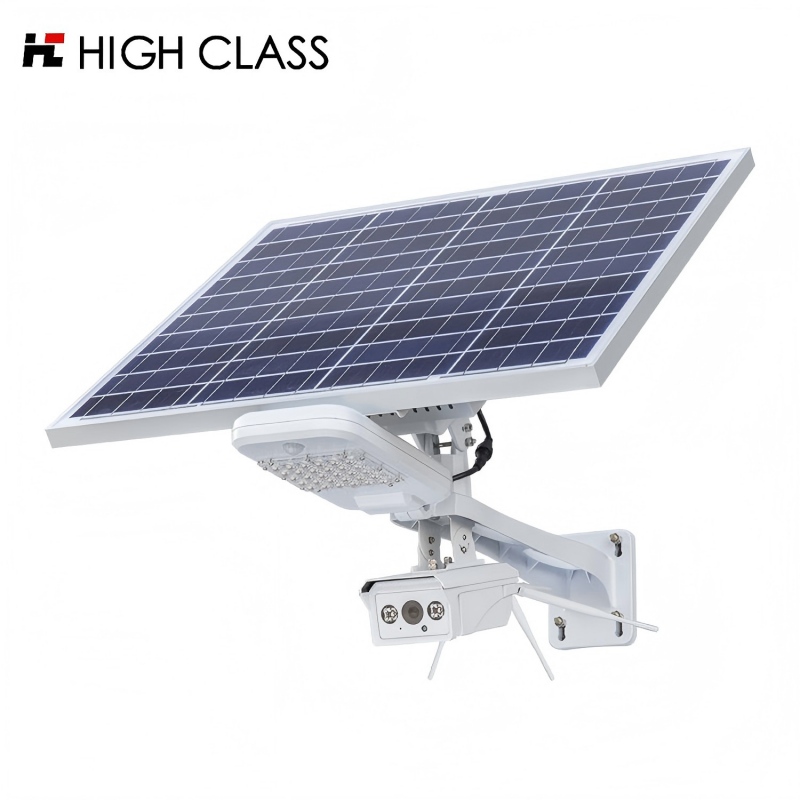
Control logic matters just as much. Radar sensing, scheduled dimming and remote diagnostics can reduce wasted energy without leaving a road dark. Our AI IoT lighting range is designed for projects that need data-led control, fault visibility and flexible operating schedules.
Outdoor lighting lives in a demanding environment. Salt air, standing water, dust, heat and vibration all attack weak points. A sound design uses materials that protect the optical, electrical and structural parts together, instead of treating the housing as decoration.
Die-cast aluminium or a strong aluminium alloy can move heat away from the LED and help the luminaire maintain output over time. Galvanised steel is useful for structural parts that need strength and corrosion resistance. Clear, impact-resistant optical covers help control glare and shield the LED module. Protection ratings such as IP65 or IP66 are meaningful only when the seals, cable entries and assembly process match the claim.
These details explain why a capable solar street light manufacturer invests in factory control, testing and traceability. WERISE operates large-scale manufacturing facilities, multiple SMT and injection-moulding lines, and quality systems supported by certifications such as CE, RoHS and ISO 9001. We treat the enclosure, battery, controller and optical design as one serviceable product.
Once the site data is clear, the product category becomes easier to choose. A good specification does not select the most powerful lamp by default; it selects the smallest dependable system that meets the lighting task, weather reserve and maintenance plan. The following groups cover the most common commercial requests.
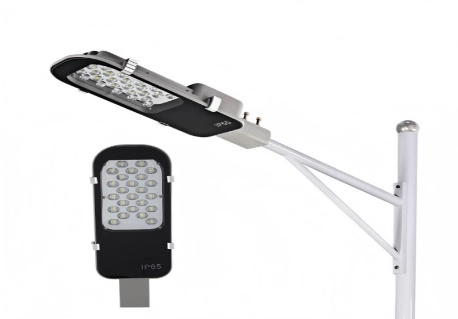
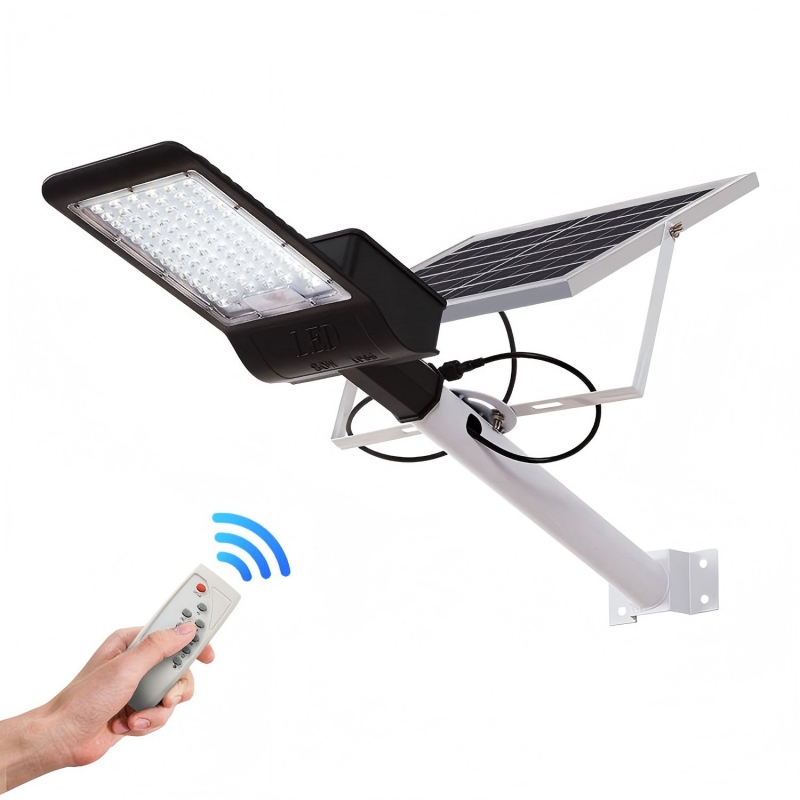
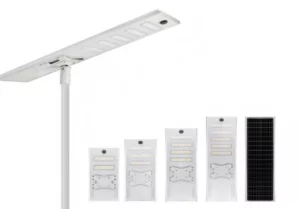
Our solar street lighting portfolio includes high-performance, all-purpose and sensor-based options. All-in-one bodies keep the panel, battery and lamp together, which can simplify installation. Separate or adjustable designs may suit larger roads where engineers need more freedom with panel angle, battery size or optical reach. IP-rated housings and long-life batteries are especially important in locations that are difficult to service.
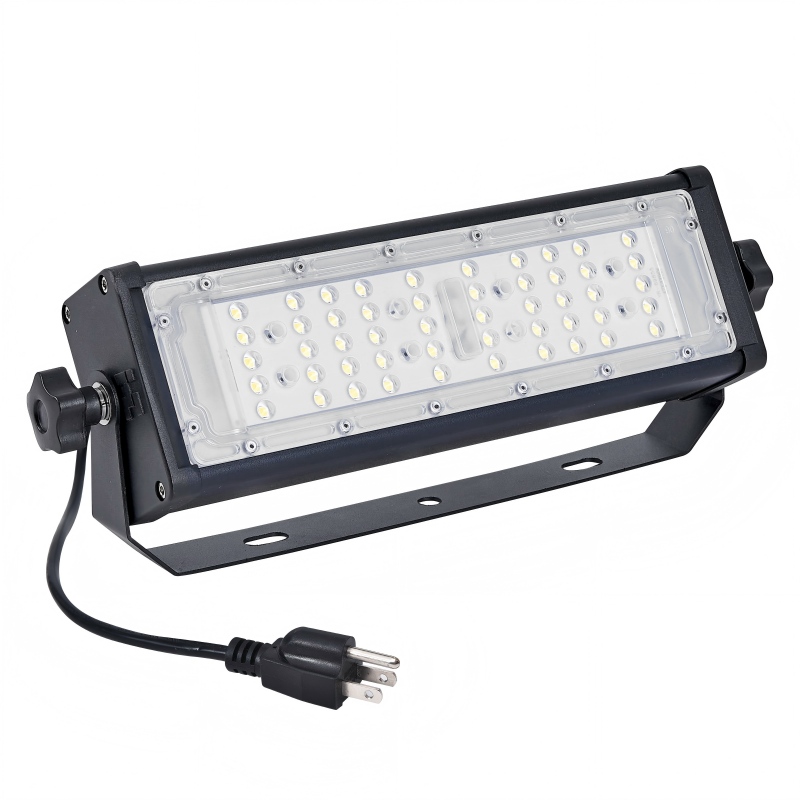
A solar flood light is suited to yards, building fronts, walkways, signs, sports edges and temporary work areas where broad illumination is more useful than a narrow road pattern. Beam angle, mounting height and sensor settings must be reviewed together. Over-lighting a small space wastes stored energy, while an overly narrow beam can leave unsafe dark zones around the target.
Not every project is fully off grid. Some sites want solar backup, remote monitoring or a hybrid power plan. Our LED street lighting products provide a practical route when grid availability, existing poles or higher continuous output influence the specification. For large compounds, LED flood lighting can complement solar units at entrances, loading zones and high-activity work areas.
Off-grid lighting is most useful when extending a grid connection would be expensive, slow or disruptive. It can also support resilience: a road or facility still has a local energy source when the central supply is unavailable. Project teams should compare the lighting duty, civil work, service access and security benefit rather than judging the system only by lamp wattage.
Current industry attention is moving toward energy resilience, lower carbon operation and connected maintenance. Smart controls can record faults and operating patterns; high-efficiency LEDs can reduce battery and panel demand; and modular parts can make future servicing less wasteful. WERISE has supported varied project scenes, from high-mast port lighting to tunnels, bridges, hotels and scenic sites, with a focus on stable light and practical delivery.
Designing an off grid solar street light is a systems job. The panel, battery, controller, LED optics, housing and control schedule must work as one response to the site. Strong materials protect performance, while correct sizing protects the budget and the user experience. Product selection should follow the lighting task: road luminaires for uniform guidance, floodlights for broad areas, and connected options for projects that need remote insight. With factory testing, documented quality controls and a clear service plan, solar powered street lights can deliver dependable visibility without trenching or monthly electricity bills. For project owners, the best solar street light manufacturer is the one that turns site data into a complete, maintainable design rather than a box of separate components.
A: Approximately 5-7 continuous rainy days, depending on site conditions and settings.
A: LiFePO4 batteries are common, with more than 2,000 cycles in suitable designs.
A: Typical rated options include 100 W, 150 W, 200 W and 250 W.