 author
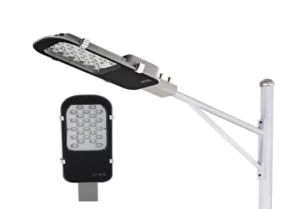
Road lighting projects usually require much more than just putting a lamp on a pole. The setup needs to gather solar energy and store that power. It must deliver steady illumination while standing up to tough outdoor conditions. It also has to stay simple to maintain. When you install hundreds of lights along a road network, tiny design flaws can quickly turn into costly operational headaches.
Because of this, many project owners choose an all-in-one solar street light manufacturer. A dedicated supplier can handle the lamp, solar panel, battery, and controller. They also manage the housing, software, testing, delivery, and after-sales service. This approach makes the entire project much easier to plan. It also cuts down on miscommunication among various vendors.
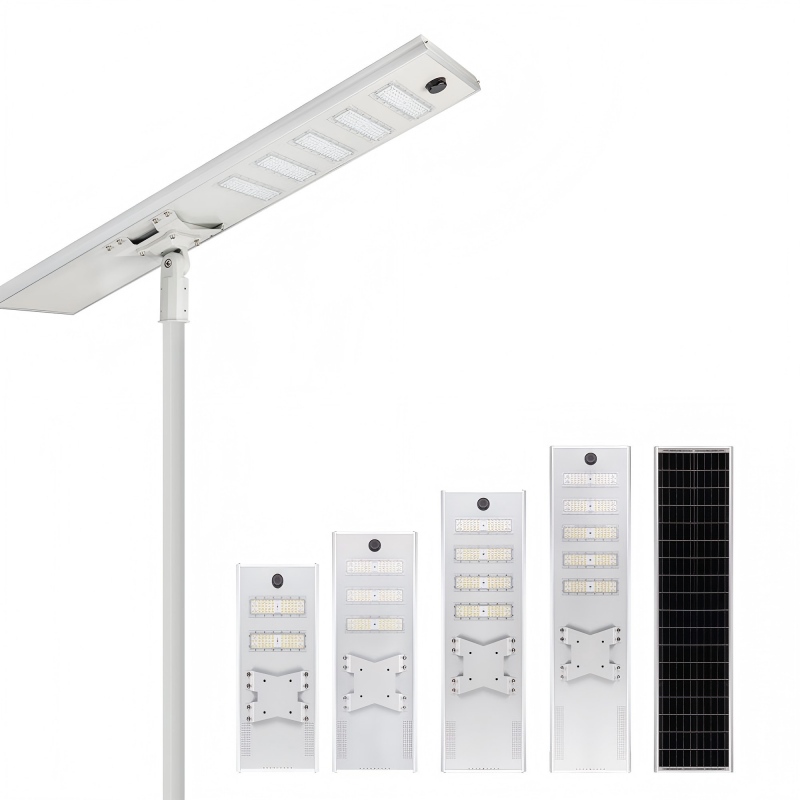
An all-in-one solar street light merges the primary lighting parts into a single compact fixture. The LED light source, solar panel, battery, controller, and associated control pieces are built into one solid structure.
Still, all-in-one does not just mean putting everything in the same box. The true benefit comes from how smoothly these parts operate as a unified system. The battery capacity has to fit the solar panel perfectly. The controller must handle the charging and discharging processes accurately. Also, the LED output needs to match the stored energy available.
Before picking a supplier, buyers need to look past the outward look. They should carefully inspect the system design, material quality, testing procedures, and overall project support.
Older solar lighting setups might need distinct solar panels, batteries, cables, and control boxes. This separation can extend the installation time. It also produces more exposed connection spots.
An all-in-one solar street light relies on a tighter, more compact build. It can decrease the necessary wiring work. It simplifies attaching the unit to the pole and drops the risk of wiring errors. This design is highly practical for rural roads, neighborhood streets, and parks. It also works well for temporary paths and places where building a grid is too costly.
When a single manufacturer builds the whole system, they can test the LED source, battery, solar panel, and controller together. This shared testing makes it simpler to align power usage with the local sunshine and the needed lighting hours.
For purchasers, this setup leads to fewer technical debates. Instead of pushing different vendors to fix isolated issues, the project team can just talk to one engineering and service group.
Outdoor road lights confront rain, dust, intense sunlight, dampness, shaking, and shifting temperatures. Choosing the right materials impacts more than just the look. It directly affects the service life, heat management, and maintenance demands.
A reliable solar street lighting manufacturer ought to clarify the materials used for the housing and battery compartment. They should also detail the lens, panel frame, connectors, and fasteners. Project teams must verify if the chosen design fits their specific local weather.
Aluminum alloy is extremely popular for outdoor LED lighting. It is tough, fairly lightweight, and highly capable of moving heat away from the LED source and driver.
Proper heat dissipation lowers the risk of losing brightness. It also defends the inner parts during extended running times. A smartly built housing should offer ample room for airflow or heat transfer. It must do this without causing weak spots in the main frame.
For roadway jobs, the lamp body needs to be simple to mount and clean. A slick, tightly sealed surface can limit dust buildup. This feature helps shield the internal circuits.
Highly capable monocrystalline solar panels can gather extra energy in a confined space. This trait is very beneficial when the pole style or mounting spot limits the size of the panel.
LiFePO4 batteries are heavily utilized in solar lighting setups. They deliver steady cycling abilities and strong safety traits. Yet, having a good battery is not sufficient on its own. The charging technique, controller, working temperature, and discharge plan must operate in harmony.
Buyers ought to evaluate:
The LED source acts as just one piece of the final lighting effect. The lens shape, beam angle, color temperature, and glare reduction decide how smoothly the road surface gets lit.
IP65 protection is normally demanded for outdoor units because it blocks rain and dust. In regions with heavy rain, salty coastal breezes, or frequent storms, project owners need to inspect the cable seals. They should also check connector grade, rust resistance, and aging test logs.
City lighting is shifting toward remote tracking, flexible dimming, and energy data handling. In June 2026, the International Telecommunication Union endorsed Recommendation Y.4516 regarding IoT-based energy optimization for municipal lighting facilities. It centers on live energy tracking and flexible lighting control for public lighting networks.
This shift is vital because road lighting networks often cover massive zones. A linked platform lets managers check equipment health and spot errors. They can modify brightness and schedule upkeep without traveling to each individual pole.
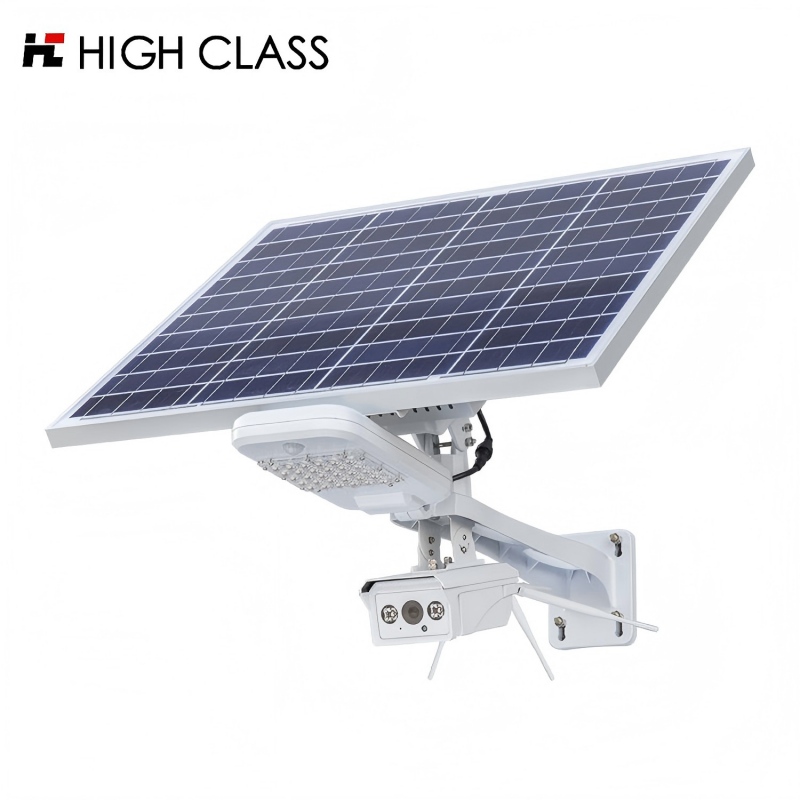
A smart solar street light can supply valuable details about its location, battery health, lighting mode, and potential errors. GPS positioning proves especially handy for country roads, extended highways, and parks. It is also great for city zones that have many spread-out fixtures.
At WERISE, we support AIoT lighting functions like GPS positioning, remote batch control, and brightness tuning. We also offer color temperature tweaking and battery tracking. These features allow project owners to oversee a massive lighting network through a single platform.
Dust, sand, leaves, and light snow can reduce the charging performance of a solar panel. In remote areas, regular manual cleaning may require extra labor, vehicles, and planning.
Our solar lighting solutions include automatic cleaning technology for selected products. This can reduce the effect of surface dirt and help limit routine maintenance work. It is particularly useful for roads in dry regions, industrial areas, ports, and locations where service access is difficult.
A complete manufacturer should offer more than one model. Road width, pole height, traffic levels, weather, lighting schedules, and installation conditions can vary from one project to another.
The product range should therefore include both solar and grid-connected options. It should also cover road lighting, area lighting, security lighting, and commercial applications.
Our AIoT smart solar street lights combine solar power, LED illumination, and remote management. They are suitable for municipal roads, residential communities, parks, rural routes, and public areas that need intelligent control.
The system can support remote dimming, GPS positioning, battery monitoring, and fault alerts. These features can help reduce unnecessary inspections and improve response time when a problem occurs.
Our solar street lighting range includes high-performance models, all-purpose solar LED lights, security lights, radar-sensor lights, and high-conversion products.
An all-in-one solar street light can simplify installation by placing the main components into one compact fixture. This is useful for roads without nearby grid power and for projects that need fast deployment.
The more important questions are whether the product provides suitable light distribution, battery capacity, protection, and service support for the actual site.
Road projects often include intersections, parking areas, gates, yards, bus stops, and construction zones. These spaces may need wider illumination than a standard street light can provide.
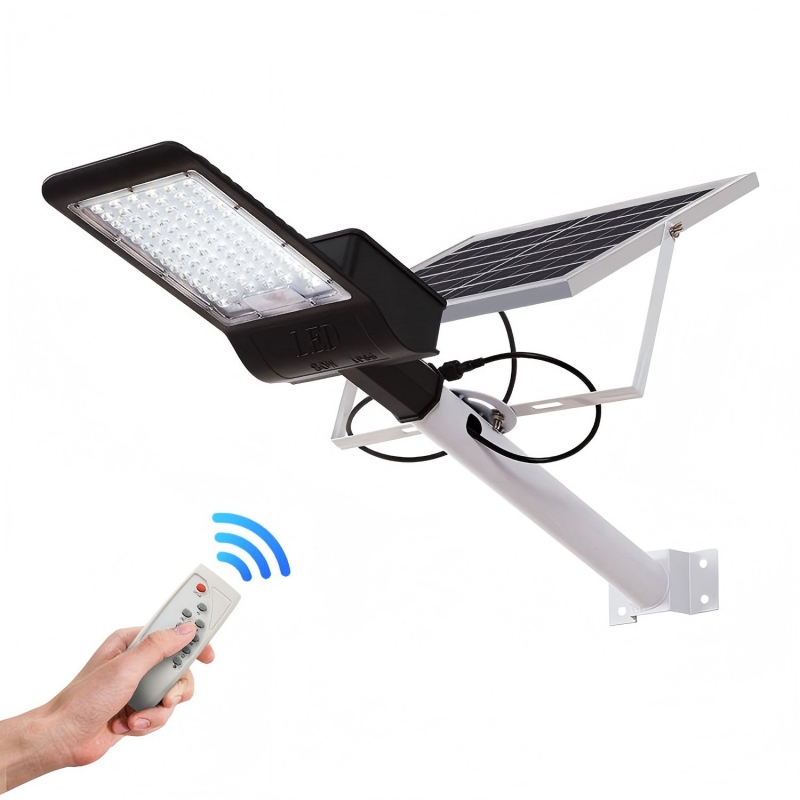
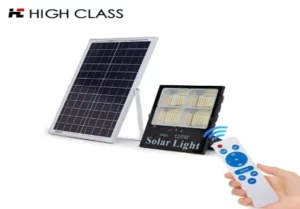
Our solar flood lighting products can support areas where grid wiring is limited or unavailable. They can work alongside solar street lights to create a complete outdoor lighting plan.
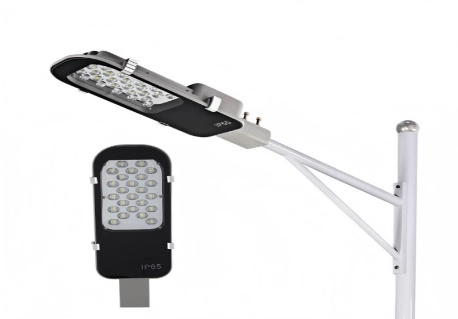
Some urban roads already have reliable grid power. In these locations, our LED street lighting products can provide stable illumination for city roads, campuses, industrial parks, and commercial streets.
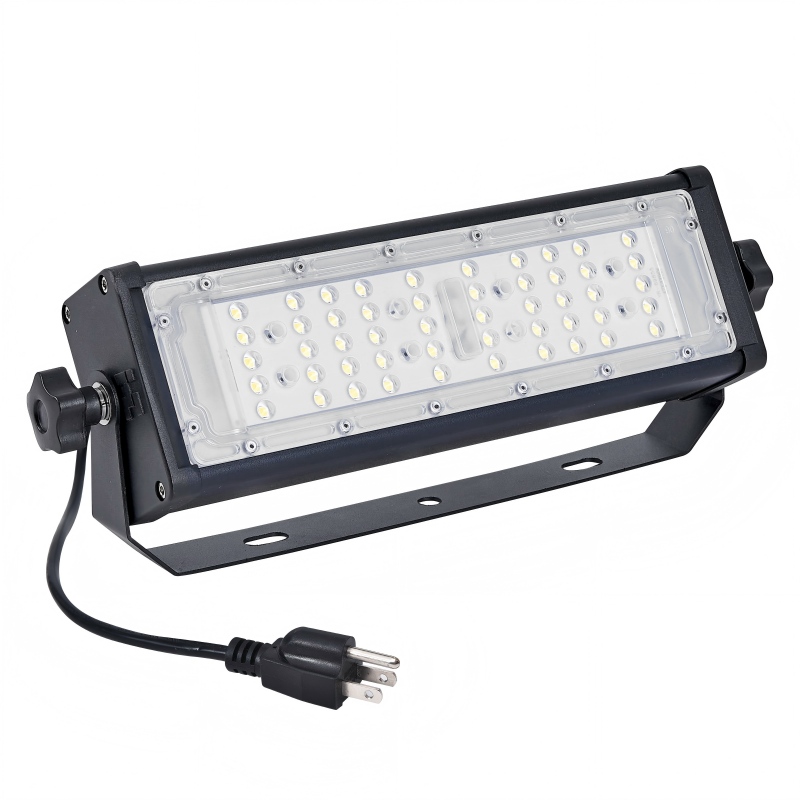
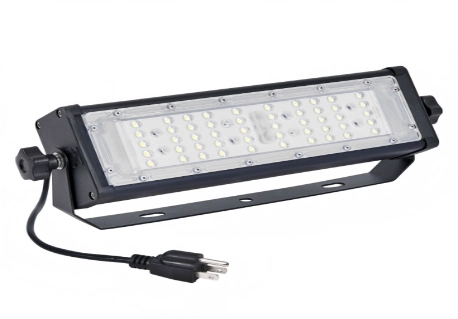
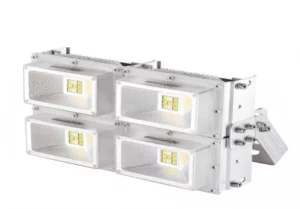
Our LED flood lighting products are suitable for plazas, warehouses, sports areas, loading zones, building exteriors, and public facilities.
During international procurement research, buyers may use phrases such as “osram led fluter,” “luminaire exterieur osram,” “projet luminaires commercial,” “proyector led 120w,” “osram floodlight,” or “led fluter 200w.” These searches often relate to commercial flood lighting, exterior luminaires, and different output levels. The final comparison should focus on tested performance, beam control, protection, efficiency, and project suitability.
An all-in-one system can support many industries because it does not depend on a fixed grid connection. Still, the product must be selected according to the location, usage pattern, and maintenance plan.
WERISE lighting provides lighting support for public, commercial, industrial, residential, and rural projects. Our goal is to help partners choose a practical combination of energy independence, stable illumination, and manageable service work.
Common applications include:
At WERISE, we provide more than a finished lamp. We support product selection, lighting design, circuitry design, sample development, OEM and ODM services, bulk production, quality inspection, and after-sales communication.
Our manufacturing capabilities include die-casting, injection molding, SMT, LED packaging, assembly, and aging tests. This integrated production structure helps us keep communication clear across different stages of an order.
We also understand that every road project has different requirements. Pole spacing, panel size, battery capacity, color temperature, brightness, lighting time, weather, and maintenance access should be reviewed before production.
Buyers should focus on the complete value behind the supplier: product consistency, engineering support, reliable delivery, testing, and service after installation.
Choosing an all-in-one solar street light manufacturer can make a road lighting project easier to plan, install, and maintain. The main benefits come from coordinated system design, compact construction, fewer exposed connections, lower installation work, and clearer technical responsibility.
However, buyers should not judge an all-in-one product by appearance alone. They should compare aluminum housing, solar panel performance, LiFePO4 battery quality, MPPT charging, IP protection, LED optics, intelligent controls, automatic cleaning, and warranty support.
WERISE provides AIoT lighting, solar street lights, solar flood lights, LED street lights, and LED flood lights for municipal, commercial, industrial, residential, and rural applications. A complete review of site conditions and long-term service needs will help buyers select a system that delivers stable road lighting and better project value.
A: It combines the LED source, solar panel, battery, controller, and main parts in one compact fixture.
A: Yes, when panel size, battery capacity, brightness, and pole spacing match site conditions.
A: WERISE provides a standard 3-year warranty for selected lighting products.